The Train: Train Hasn't Left the Station: 25 Years Later
Remember those songs that would get stuck in your head because your Mom listened to them on repeat? They were probably songs by Train.
I was born in 2002, when music was continuing to evolve into new genres, new names for genres, and categories of music that seemed increasingly tied to a certain age group, personality, or stereotype. “Divorced Dad Rock,” for example, can be described as the soundtrack to a man going through his first divorce: raspy vocals, catchy guitar riffs, and emotionally charged lyrics that turn frustration and angst into melodic therapy. Nickelback, Creed, and 3 Doors Down are the usual suspects, giving these men a place to scream along to their problems while keeping one hand firmly on the steering wheel of their pickup truck.
I would argue that Train occupies an almost complete opposite category: (working title) "Content Relationship Mom Rock." It is music for the woman who has found her person, has the vacation photos to prove it, and wants to feel every ounce of that romance. Where "Divorced Dad Rock" wallows, Train reassures. Where Three Days Grace asks you to sit with your pain, “Hey, Soul Sister” practically begs you to roll the windows down and gaze longingly at the person sitting in the passenger seat.
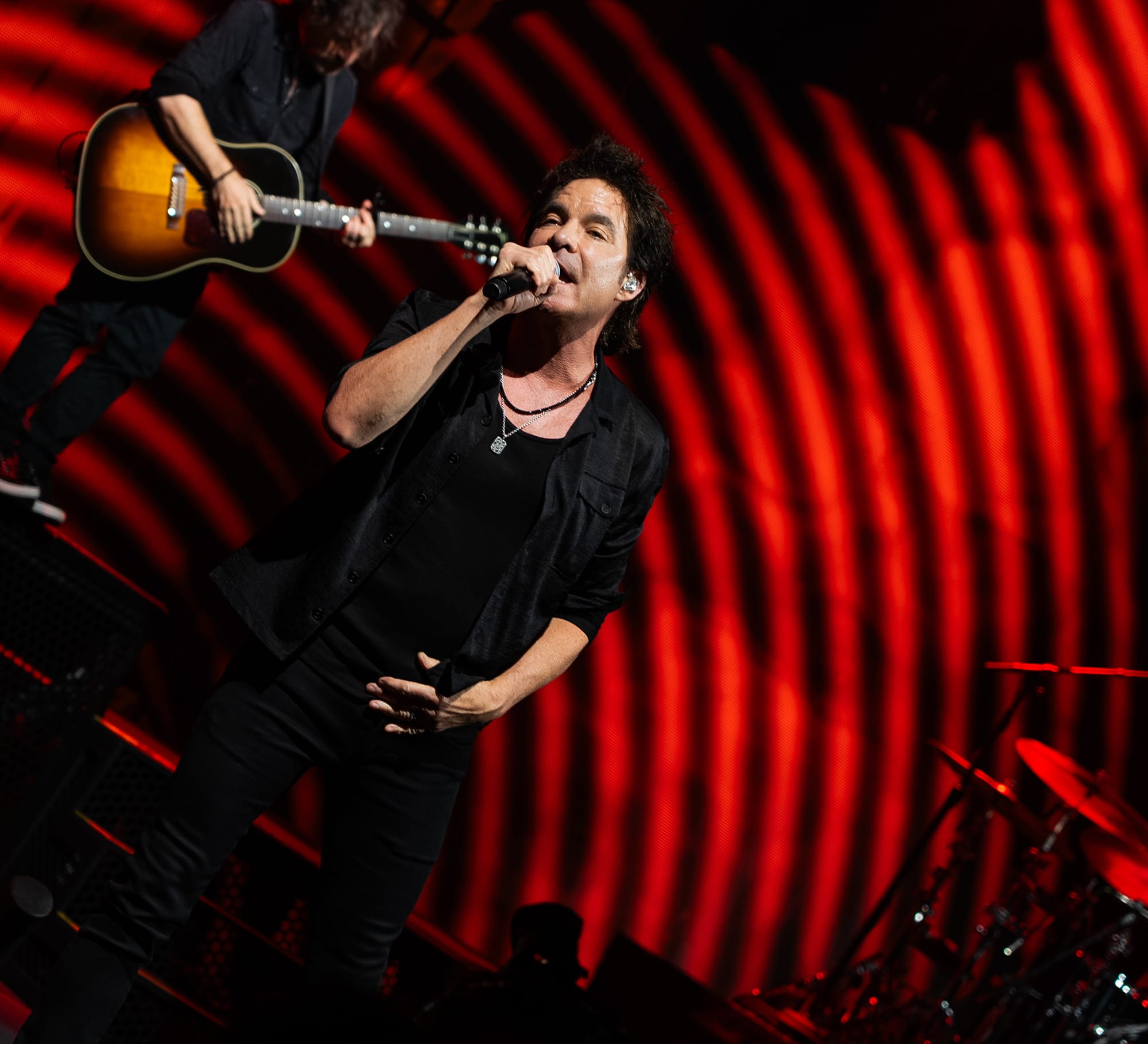
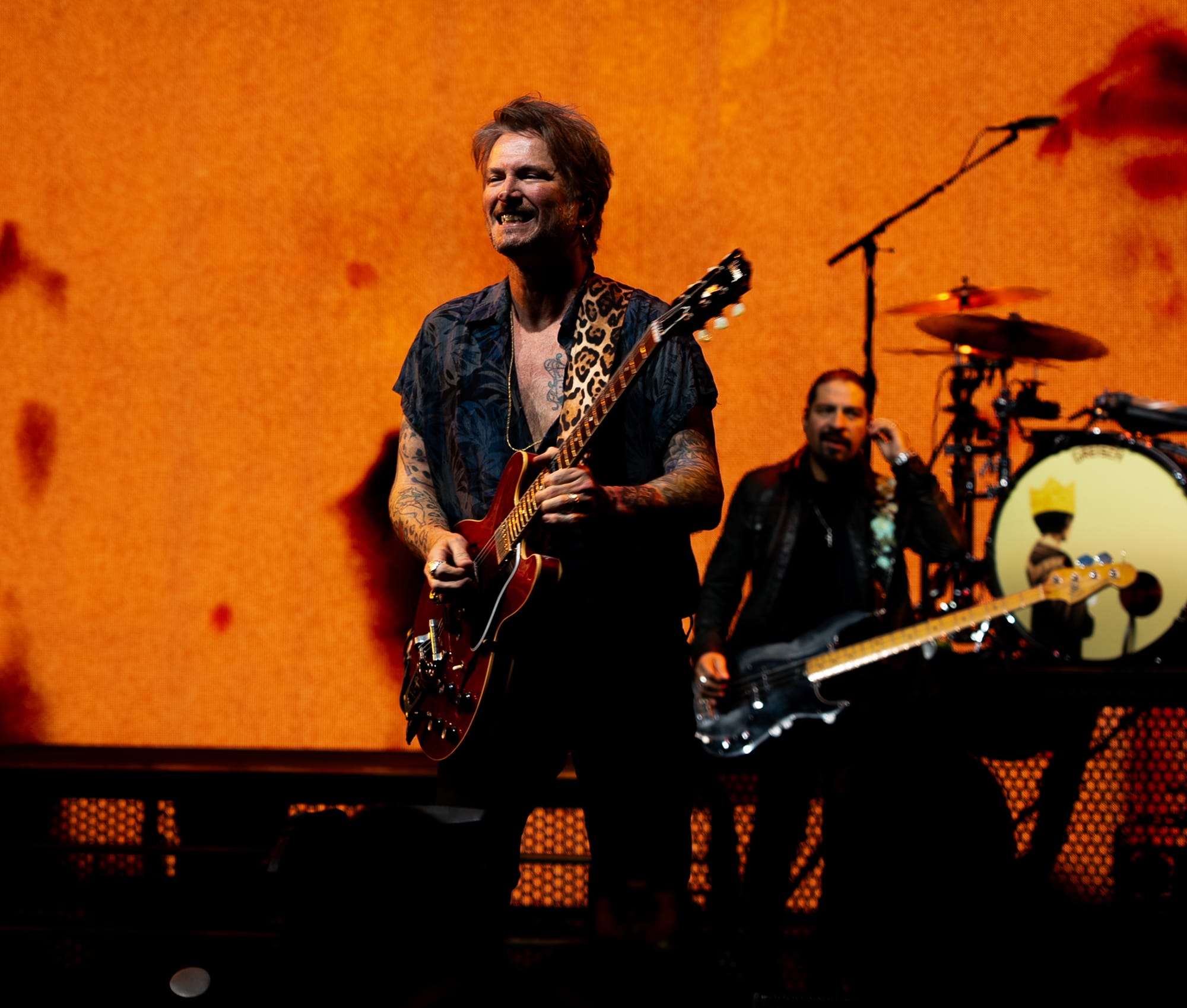
Train’s music has always existed in that niche sweet spot between adult contemporary, pop rock, and shameless romanticism. Their songs are polished and sentimental without being completely absorbed in cheesy, mushy lyrics. But, they are built around choruses that are almost impossible not to sing along to. There is something uniquely comforting about a Train song, even to my generation. Most of us grew up knowing “Drops of Jupiter” and “50 Ways to Say Goodbye,” whether we actively or subconsciously chose to listen to them through car rides, family playlists, radio stations, or in the background noise of the local shopping mall. I can still picture where I was when I first heard those songs, and I imagine plenty of people in the audience could say the same. That familiarity is what makes Train’s music so interesting live. Their songs carry different meanings depending on when you encountered them and who you were with. Train has managed to create music that ages with its listeners rather than becoming trapped in the era that produced it.
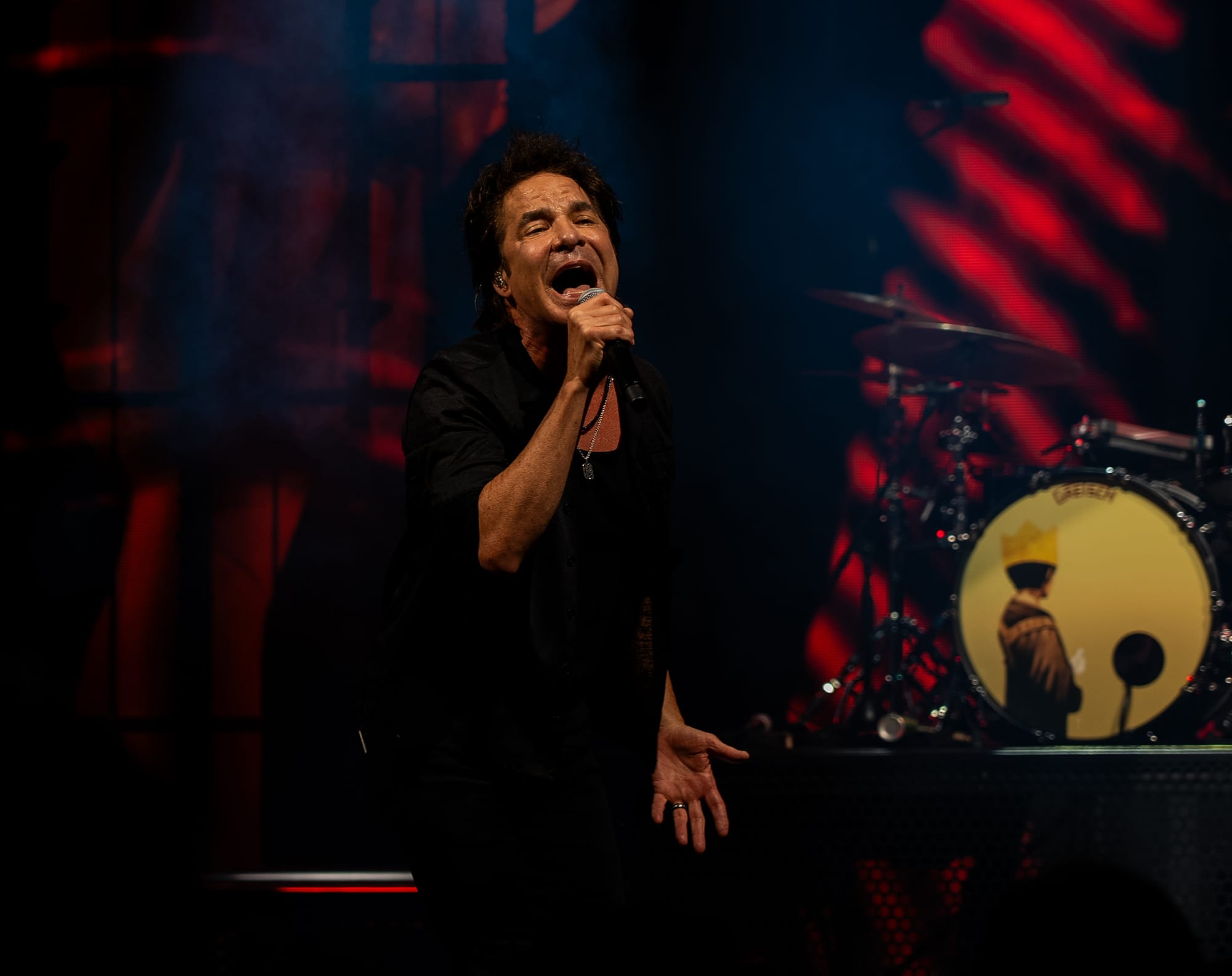
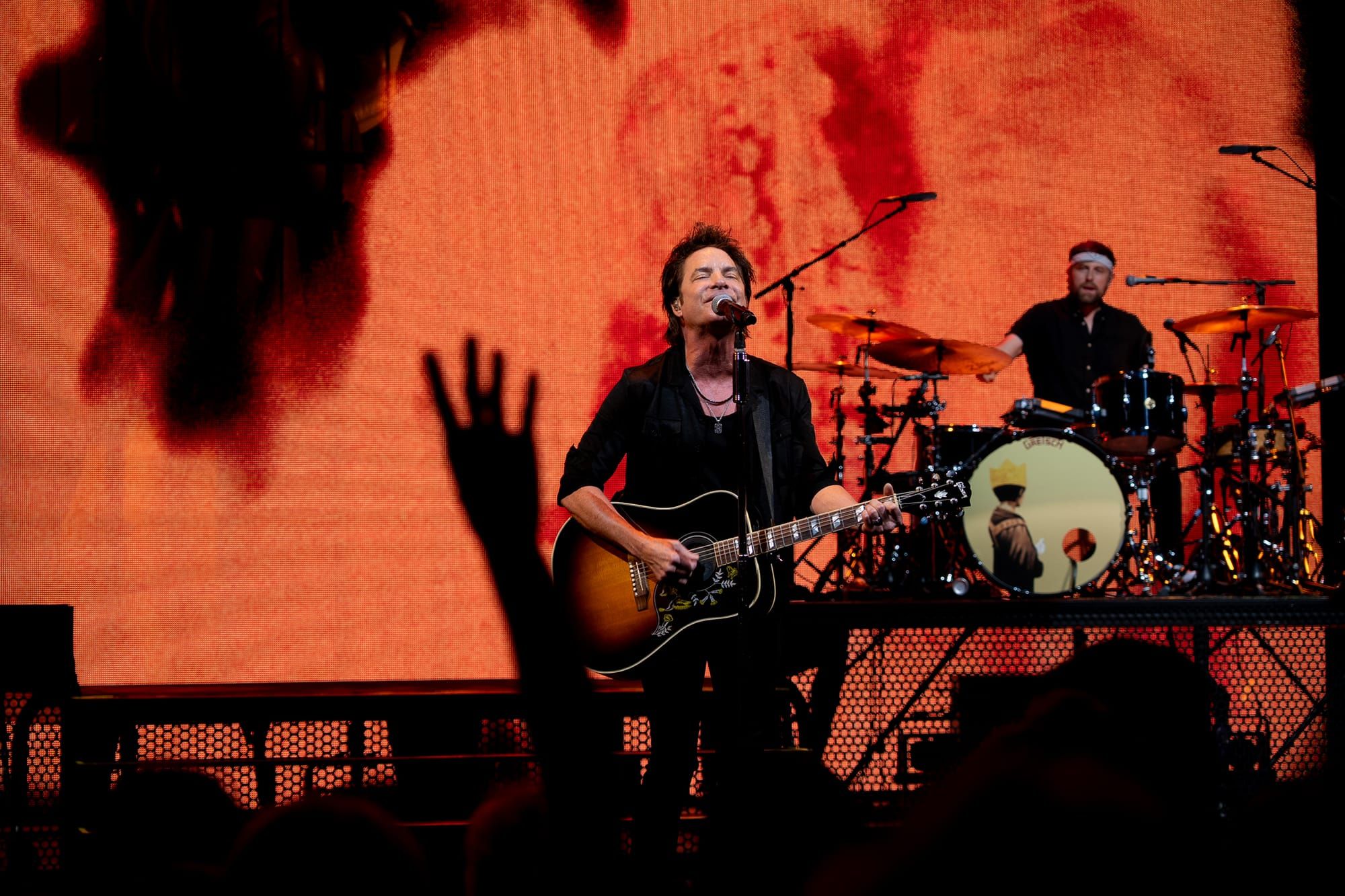
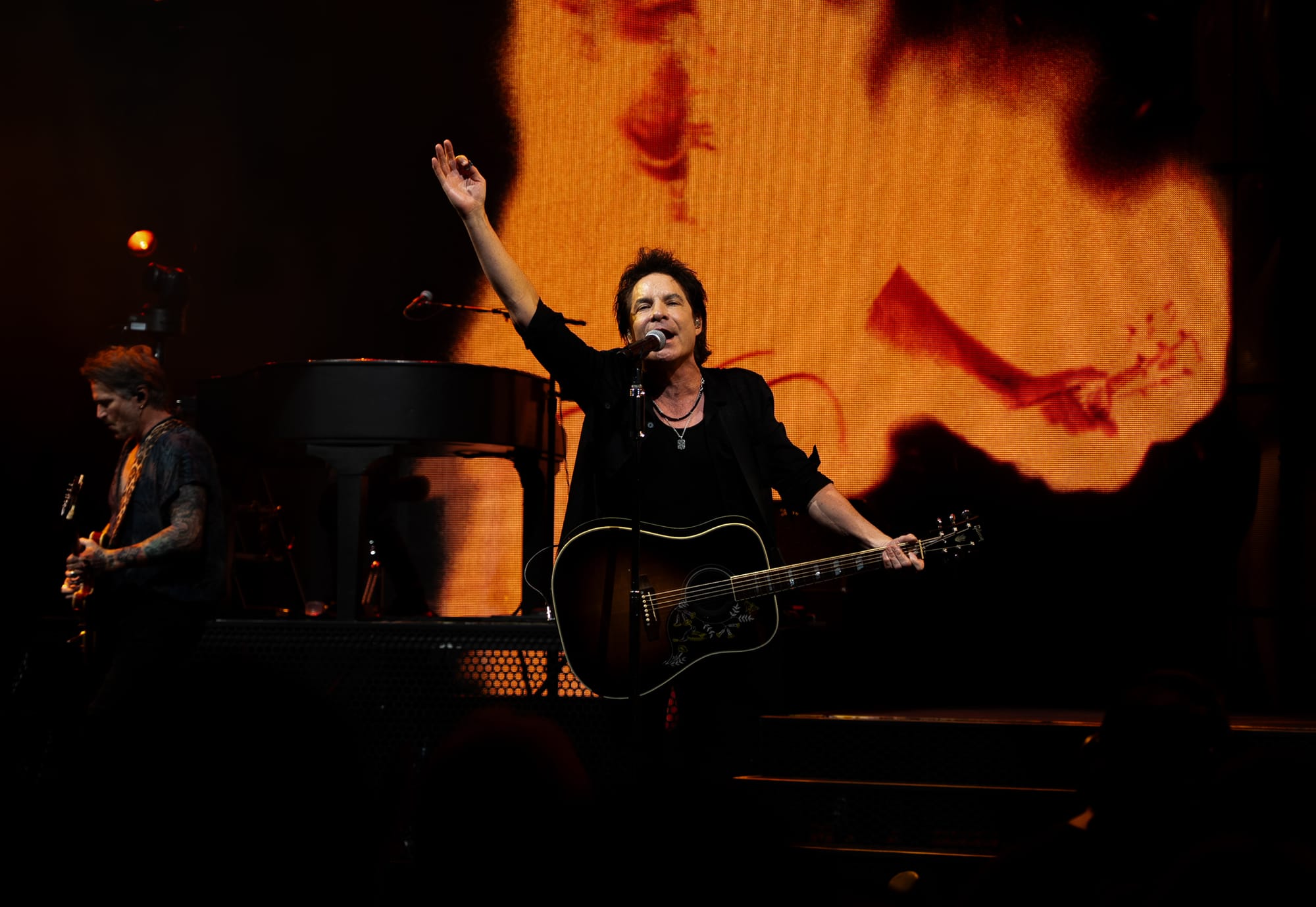
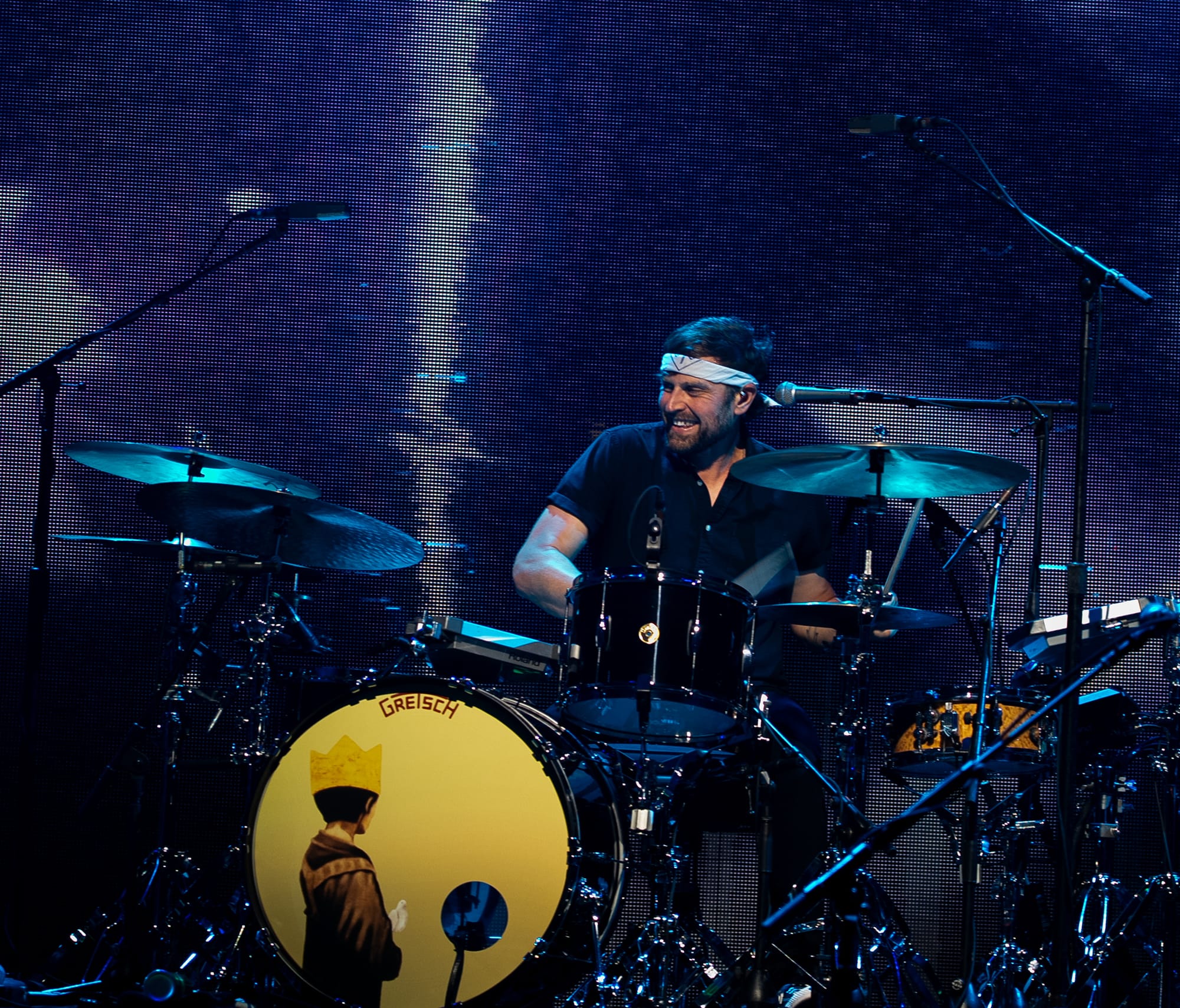
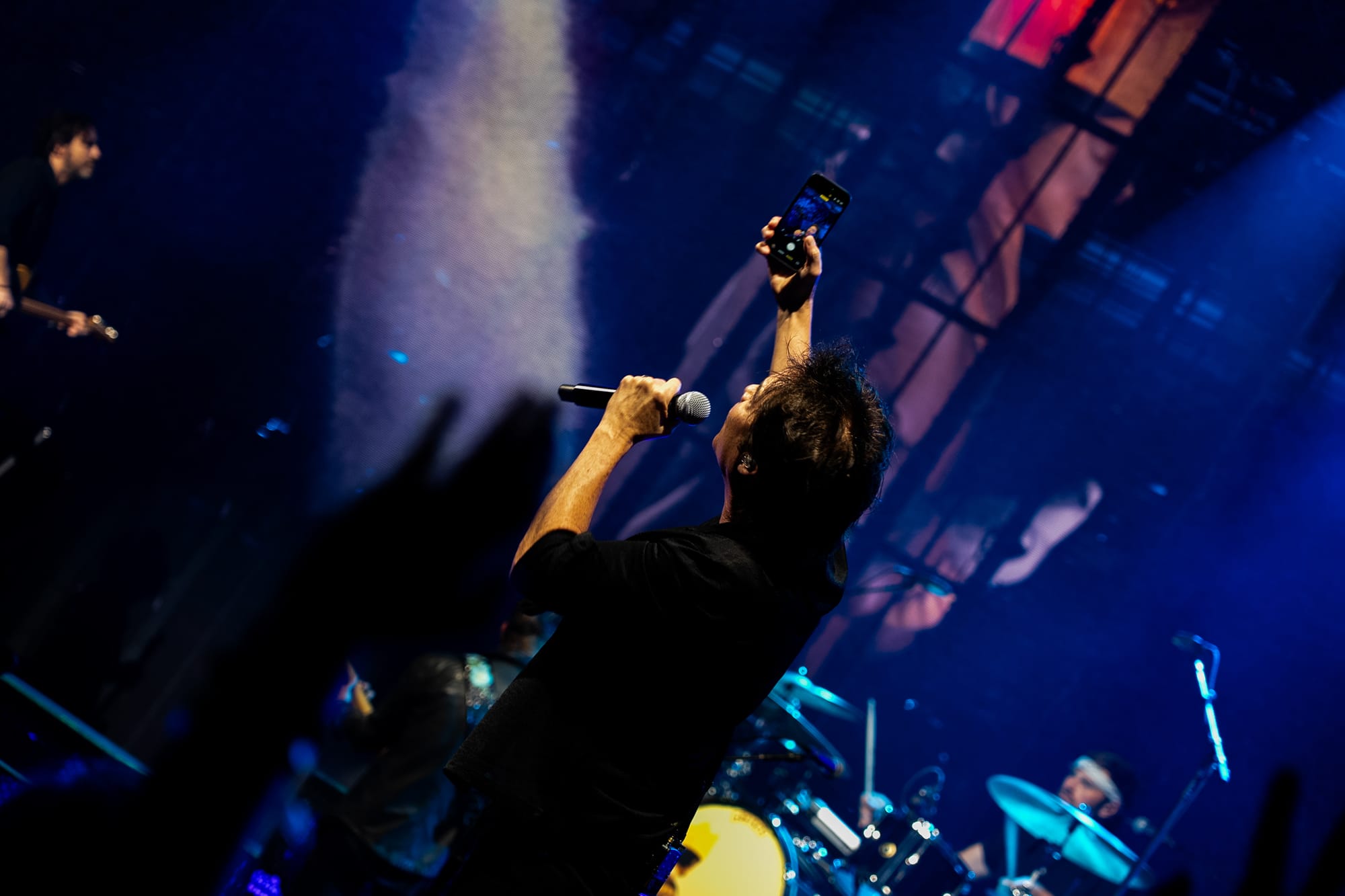
Train’s stage presence was not at all what I expected, either. Visually, it felt much more like a full scale rock show than the polished, more tamed image I had associated with the band. Flames erupted on the background screen, confetti filled the air, and streamers flew over the crowd during big choruses. Lead singer Pat Monahan moved across the stage with the confidence of someone who understood that he was more than a performer that night. He was a witness to the memories attached to these songs. He knew people weren’t just singing along, they were remembering! Lead guitarist, Butch Walker, brought the kind of energy the show needed, matching the explosive production with an equally animated performance. It was impressive to see the dance between each instrumentalist like they had done so many times before but that night on that stage was unique in the eyes of the audience.
I know Train will continue to be remembered by generations of music lovers, not necessarily because they reinvented rock music, but because they made songs that stuck.